

Real Estate Disputes: Mediation vs. Litigation
Real estate disputes can quickly become stressful, costly, and disruptive. Property is often one of the most valuable assets a person or business owns, and when disagreements arise, the stakes are high. Conflicts can appear in many ways: a purchase agreement gone wrong, boundary disagreements between neighbors, a landlord-tenant issue, or disagreements over inherited property. How these disputesare resolved has a lasting impact not just on finances, but also on relationships and reputations.
Two of the most common resolution methods are mediation and litigation. Each has advantages and disadvantages, and the best option depends on the complexity of the case, the willingness of the parties to cooperate, and the desired outcome. Understanding how each process works and when to consult a real estate attorney in Carlsbad, CA can make all the difference.
Mediation in Real Estate Disputes
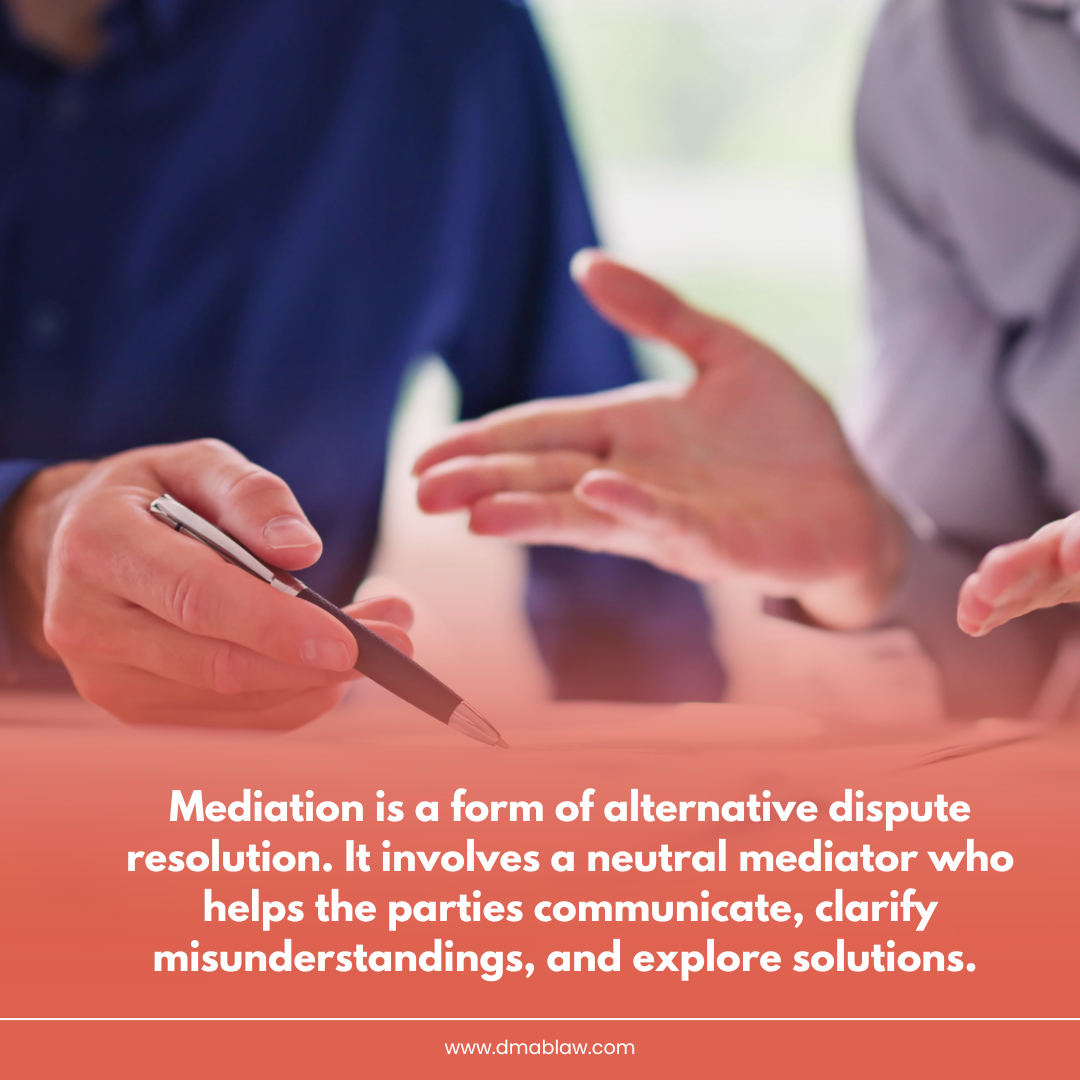
Mediation is a form of alternative dispute resolution. It involves a neutral mediator who helps the parties communicate, clarify misunderstandings, and explore solutions. Unlike a judge, the mediator doesn’t issue a binding decision. Instead, the parties themselves agree—or choose not to agree—on the resolution.
Advantages of Mediation
- Lower Costs:Mediation is far less expensive than going to trial. Court filings, attorney hours, and discovery can all add up quickly in litigation. Mediation avoids many of these expenses.
- Time Savings:While litigation may take months or years, mediation often concludes within weeks. This is particularly valuable in real estate matters where market conditions can change rapidly.
- Privacy:Mediation is confidential. Unlike litigation, where filings become part of the public record, mediation sessions and agreements stay private.
- Flexibility:Because mediation is less formal, parties can design creative solutions that a court might not have the authority to impose.
- Relationship Preservation:Real estate disputes often involve neighbors, family members, or business partners. Mediation fosters collaboration and reduces hostility.
When Mediation Is a Strong Choice
- Buyer-seller disputes, such as disagreements over disclosures or contingencies
- Escrow or closing conflicts
- Landlord-tenant disputes over rent, repairs, or lease enforcement
- Homeowners association (HOA) disagreements
- Inheritance disputes, where property is tied to a family trust and a trust attorneyin Carlsbad may also need to be involved
In fact, many California Association of REALTORS® (C.A.R.) contracts contain mandatory mediation clauses, requiring the parties to attempt mediation before litigation or arbitration.
Mediation is not always effective. If one party refuses to compromise or negotiate in good faith, or if the dispute involves fraud, hidden assets, or highly complex legal issues, litigation may be unavoidable.
Litigation in Real Estate Disputes
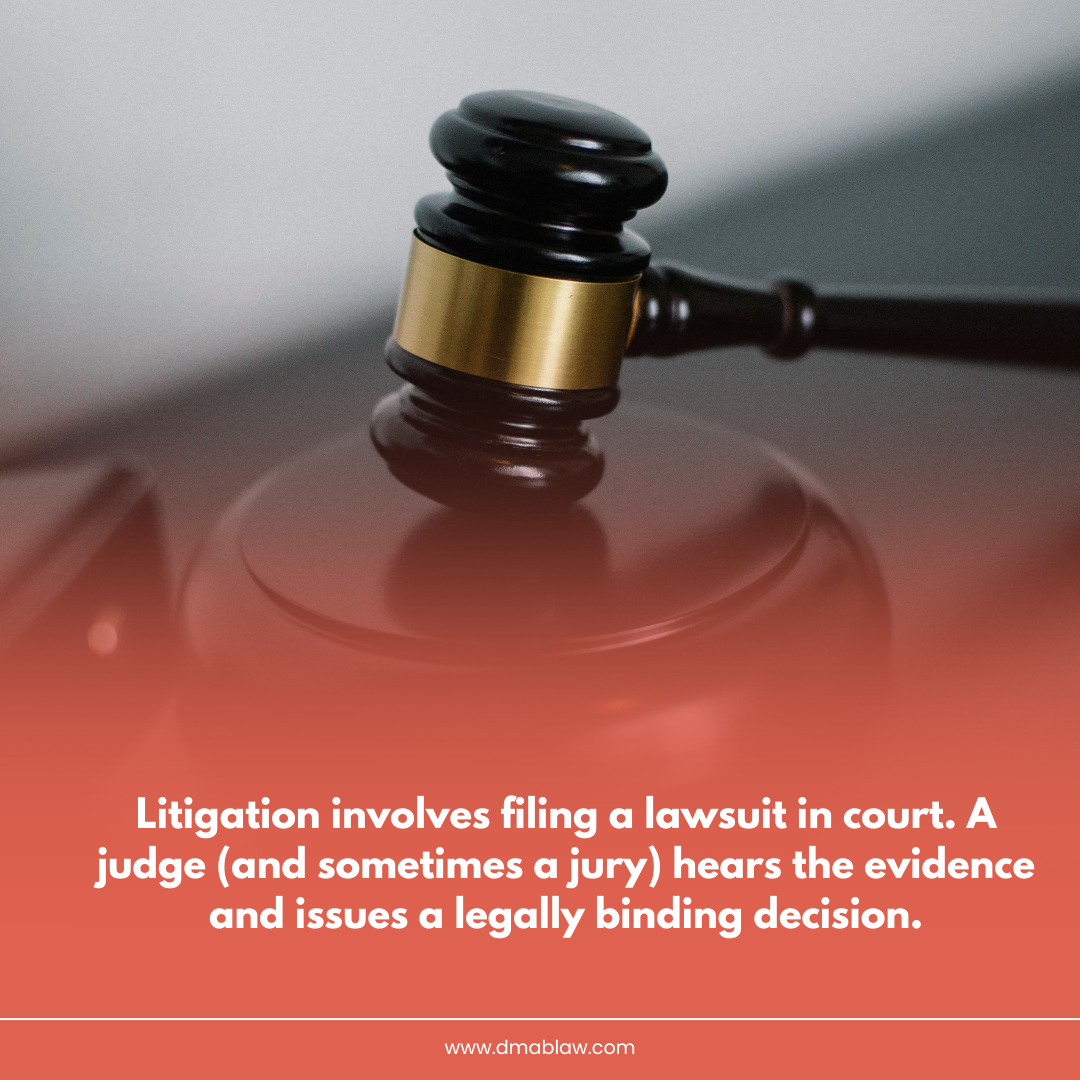
Litigation involves filing a lawsuit in court. A judge (and sometimes a jury) hears the evidence and issues a legally binding decision. While litigation is more formal, expensive, and time-consuming, it may be necessary in certain cases.
Advantages of Litigation
- Binding Authority:Court decisions are enforceable. If one party refuses to comply, the court can enforce judgments through orders or financial penalties.
- Ability to Handle Complexity:Litigation can address complicated issues such as fraud, defective titles, zoning disputes, or multi-party conflicts.
- Legal Precedent:Court decisions may clarify or set precedent in California law, potentially influencing future cases.
- Compelling Non-Cooperative Parties:If the other party refuses to negotiate, litigation ensures the matter can still be resolved.
Drawbacks of Litigation
- Cost:Between attorney fees, discovery costs, expert witnesses, and court expenses, litigation is usually far more expensive than mediation.
- Delays:Real estate litigation can drag on for years, delaying transactions, sales, or personal use of property.
- Public Nature:Lawsuits are part of the public record. Anyone can access filings and judgments.
- Adversarial Process:Litigation pits parties against one another, which may permanently damage relationships.
Common Real Estate Litigation in California
- Breach of contract (failure to perform under a purchase or lease agreement)
- Boundary and easement disputes between neighbors
- Fraud or nondisclosure claims in property sales
- Title and ownership disputes
- Construction defect claims
- Landlord-tenant litigation, including eviction proceedings
- Foreclosure or mortgage-related disputes
- Zoning and land-use challenges
California law also imposes statutes of limitation. For example, breach of a written real estate contract generally must be filed within four years, while fraud claims may be limited to three years from discovery. Missing these deadlines can completely eliminate your ability to pursue litigation.

Mediation vs. Litigation: Choosing the Right Path
Deciding whether to pursue mediation or litigation depends on several factors:
- Willingness to Cooperate:If both parties are open to compromise, mediation is often the best first step.
- Complexity of the Dispute:Simple disagreements may be resolved through mediation, while complex issues (fraud, title disputes, zoning) may require litigation.
- Need for Privacy:If you want to avoid publicity, mediation is far more private than litigation.
- Time Sensitivity:If the dispute must be resolved quickly, mediation is often more efficient.
- Enforceability:If you need a binding resolution, litigation provides a final, enforceable judgment.
California’s Partition of Real Property Actis one example of how state laws affect real estate disputes. This act governs how courts handle co-ownership conflicts, particularly when one owner wishes to sell and the other does not. In cases like this, mediation may resolve disagreements amicably, but litigation may ultimately be necessary to divide or sell the property.
The Role of a Real Estate Attorney in Carlsbad, CA
Whether pursuing mediation or litigation, hiring an experienced real estate attorney in Carlsbad, CA is essential. Legal counsel provides invaluable support, including:
- Assessing the strength of your case and advising on strategy
- Representing you during mediation sessions to protect your interests
- Drafting enforceable agreements or court pleadings
- Ensuring compliance with California statutes of limitation and procedural rules
- Advocating for you in court if litigation becomes necessary
If your dispute involves inherited property or trusts, working with both a real estate attorneyand a trust attorney in Carlsbad, CA ensures that all legal angles—property, estate, and fiduciary duties—are fully addressed.
FAQs About Real Estate Disputes
How long does mediation usually take?Most mediations conclude in a single session lasting a few hours to a full day. Complex cases may require multiple sessions, but mediation is almost always faster than litigation.
What happens if mediation fails?If no agreement is reached, parties can still pursue litigation. Sometimes, mediation helps narrow issues even if it doesn’t resolve the entire dispute.
Is a mediator’s decision binding?No. Mediation only becomes binding if the parties sign a settlement agreement. A judge’s ruling in litigation is always binding.
Can I go straight to litigation without trying mediation?In some cases, yes. However, if your contract includes a mediation clause—as many California real estate agreements do—you may be required to mediate first.
Why involve a trust attorney in Carlsbad, CA?When real estate is tied to a trust or estate, disputes often involve both property law and trust law. A trust attorney ensures inheritance and fiduciary obligations are properly addressed.
Conclusion
Real estate disputes can be disruptive, but they don’t have to derail your goals. Mediation offers a faster, less expensive, and more private solution when cooperation is possible. Litigation provides enforceable outcomes when disputes are too complex or when one party refuses to negotiate.
The right choice depends on your circumstances, and working with a knowledgeable real estate attorneythat residents trust is the best way to protect your rights. If you’re navigating a property dispute—whether it involves a contract, boundary, lease, or inheritance—DMABcan guide you through mediation, litigation, or both to reach a resolution that protects your interests.