

What Every Homebuyer Needs to Know About Property Titles
*THE INFORMATION INCLUDED IN THIS BLOG POST IS FOR INFORMATIONAL PURPOSES ONLY AND DOES NOT CONSTITUTE ADVERTISING, A SOLICITATION, OR LEGAL ADVICE, AND SHOULD NOT REPLACE YOUR CONSULTATION WITH A LAWYER CONCERNING YOUR PARTICULAR NEEDS
Securing a clear property title is the bedrock of a successful home purchase, confirming your legal ownership and safeguarding you against undisclosed claims. This guide will go over what a property title truly is and why it’s paramount for homebuyers.
We’ll delve into how various ownership structures shape your rights, underscore the critical importance of title searches and insurance, identify common title defects and their remedies, walk you through the California title transfer process, and demonstrate how DMAB’s seasoned real estate attorneys in Carlsbad can fortify your investment.
By mastering these fundamental legal principles, you can confidently move forward and protect your new home.
What Exactly Is a Property Title and Why Does It Matter So Much to Homebuyers?
A property titleis the legal framework that solidifies ownership rights to real estate, serving as definitive proof of possession and shielding buyers from potential disputes or liens. It acts as the essential foundation for any property transaction, ensuring homebuyers can acquire, finance, or sell a property without encountering unexpected legal hurdles.
In Real Estate Law, What Does a Property Title Signify?
Within the realm of real estate law, a property title represents the collection of rights intrinsically linked to a parcel of land, clearly identifying the legal owner. It functions by meticulously documenting these rights in public records, allowing anyone to trace the chain of title and verify the seller’s authority to transfer ownership.
A property title encapsulates the comprehensive bundle of rights—including possession, control, exclusion, enjoyment, and disposition—that empower homebuyers to utilize, lease, or transfer their real estate. By clearly defining these entitlements, the title mechanism effectively prevents third parties from asserting competing claims.
What Distinguishes a Property Title from a Deed?
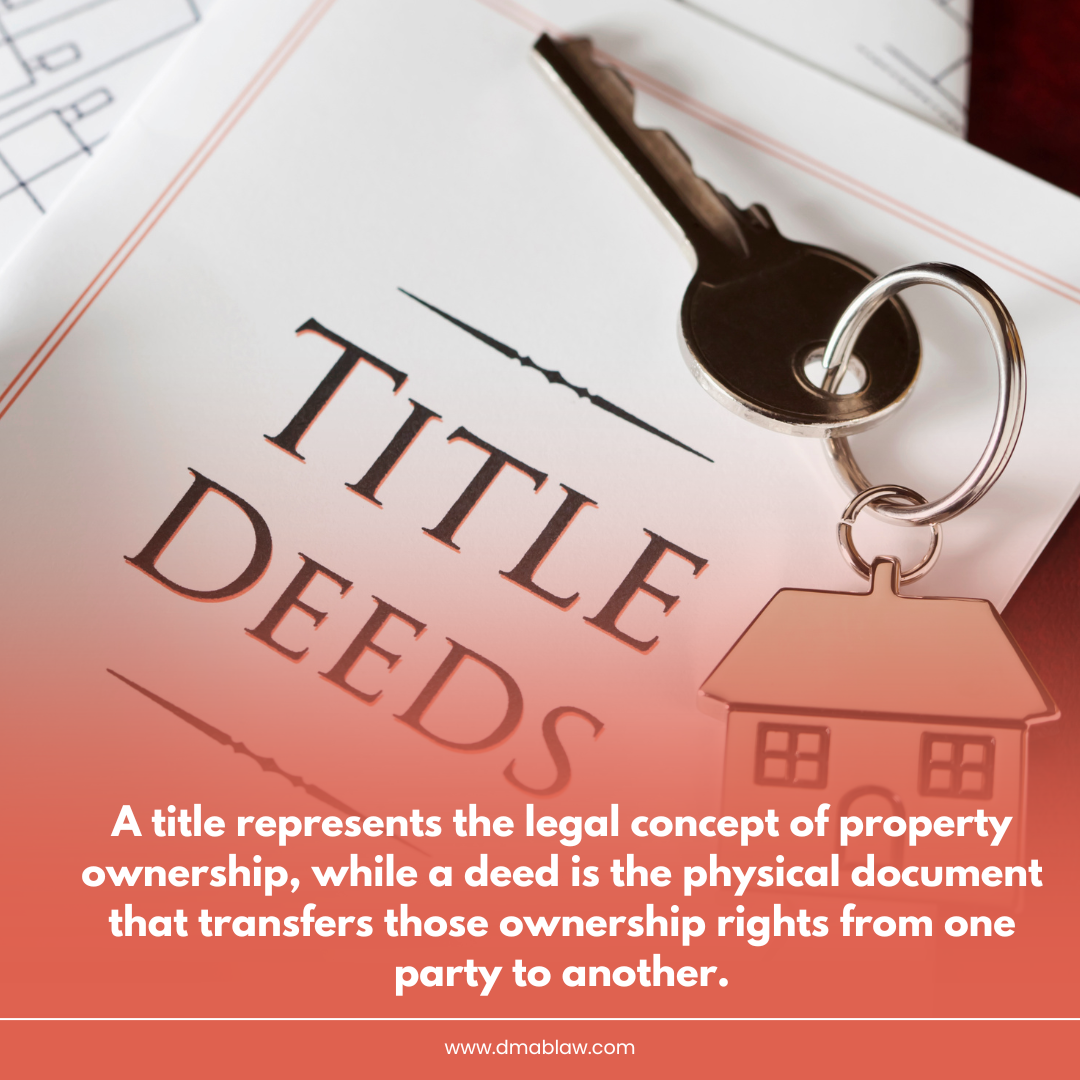
Grasping the difference between a title and a deed is crucial for establishing clear ownership. A title is not a physical document but a legal concept that represents ownership rights—it defines who holds the complete set of rights to a property.
A deed, on the other hand, is the legal document that transfers those rights from the grantor to the grantee, serving as tangible evidence of the transfer. In short, the deed formalizes the transaction, while the title remains the underlying legal concept of ownership.
How Does California Law Characterize Property Titles?
Under California Civil Code §660, a property title refers to the legal right of ownership, substantiated by recorded deeds and subject to state-specific regulations concerning liens, easements, and community property. California statutes mandate that titles must be free from undisclosed encumbrances to safeguard buyers’ interests.
How Do Various Types of Property Ownership Influence Your Title?
Different forms of ownership in California carry distinct implications for how title is transferred, liability, and inheritance. Understanding each structure is key for homebuyers to make informed decisions and anticipate future responsibilities.
What Are the Common Forms of Property Ownership in California?
California recognizes several ownership structures, each impacting title rights and how property is passed down. Here’s a concise overview of key ownership forms:
| Ownership Form | Key Characteristic | Legal Effect |
| Fee Simple | Unrestricted ownership with no time limit | Grants complete control, representing the highest form of title |
| Joint Tenancy | Equal ownership with the right of survivorship | Upon a co-owner’s death, their share automatically transfers to the surviving owner(s) |
| Tenancy in Common | Co-owners possess distinct, inheritable shares | Shares are distributed according to the owner’s will or state intestacy laws |
| Community Property | Married spouses share equal ownership of assets acquired during the marriage | Upon a spouse’s death, their half-interest automatically passes to the surviving spouse |
| Trust Ownership | Legal title is held by a trustee for the benefit of a beneficiary | Offers privacy, can bypass probate, but requires a trust deed and proper recording |
How Does Community Property Affect Homebuyers in California?
Community property laws consider assets acquired during marriage as jointly owned, meaning both spouses hold an equal stake in the title. This structure simplifies transfers between spouses but necessitates both parties’ signatures on deeds and mortgage documents.
What Constitutes the Bundle of Rights in Property Ownership?
Every property title grants a bundle of rights that homebuyers are entitled to. These fundamental rights include:
- Possession– The right to occupy and control the property.
- Use– The right to utilize the property for legal purposes.
- Exclusion– The authority to prevent others from entering the property.
- Enjoyment– The entitlement to benefit from the property’s use without interference.
- Disposition– The ability to sell, lease, or bequeath the property.
These essential rights ensure that titleholders can fully exercise their property interests without external obstruction.
How Do Trusts and Other Ownership Structures Impact Property Titles?
Holding title within a trust introduces an additional layer of complexity: the trustee manages the legal title, while the beneficiaries hold the equitable interests. This arrangement can protect assets from the probate process but requires meticulous trust documentation and the correct recording of the trust deed.
Why Is a Thorough Title Search Essential for Homebuyers in California?
A title search is a comprehensive review of public records designed to confirm clear ownership and uncover any hidden liens or encumbrances. This vital step empowers homebuyers to proceed with confidence, knowing they can address any issues before closing.
What Is a Title Search and How Is It Carried Out?
A title searchinvolves a detailed examination of county recorder documents, assessment of grant deeds, review of judgments, and verification of the chain of title. Title professionals utilize official indices to trace ownership history, often spanning several decades, to confirm that the seller possesses a clear title.
How Does a Title Search Uncover Liens, Easements, and Encumbrances?
A comprehensive title search will reveal:
- Liens, such as outstanding mortgages or tax liabilities
- Easementsthat grant third parties rights of access or usage
- Encumbrances, including restrictive covenants (CC&Rs) that may limit property use
Identifying these factors allows buyers to resolve potential conflicts or negotiate financial adjustments prior to the purchase.
What Are the Potential Risks of Forgoing a Title Search?
Skipping a title search can expose buyers to significant risks, including:
- Unpaid liens that could lead to foreclosure proceedings
- Undisclosed easements that may restrict property usage
- Boundary disputes that necessitate costly surveys
Failing to identify these potential issues can result in unforeseen financial burdens or protracted legal battles.
How Can a Real Estate Attorney Provide Assistance with Title Searches?
A real estate attorneyacts as your advocate, overseeing the ordering of professional searches, interpreting the findings, negotiating the release of any liens, and preparing necessary corrective documents. Their expertise ensures that all title defects are properly addressed, and a clear title is delivered.

What Is Title Insurance and How Does It Protect Homebuyers?
Title insuranceis a unique, one-time premium product designed to shield buyers from financial losses stemming from title defects that may emerge after the purchase, thereby providing crucial peace of mind and ensuring clear ownership.
What Are the Key Differences Between Owner’s and Lender’s Title Insurance?
Owner’s and lender’s title insurance policies serve distinct parties and offer different scopes of protection:
| Policy Type | Protected Party | Coverage Scope |
| Owner’s | The Homebuyer | Defends against claims challenging ownership, undisclosed liens, and instances of forgery |
| Lender’s | The Mortgage Lender | Secures the lender’s financial interest in the property; coverage decreases as the loan balance is paid down |
Why Is Title Insurance Particularly Important for California Homebuyers?
Given California’s high volume of real estate transactions and its complex landscape of easements and community property laws, title insurance is indispensable for safeguarding against potential errors in public records, claims from unknown heirs, and fraudulent transfers that could jeopardize clear title.
What Types of Title Defects Does Title Insurance Typically Cover?
Title insurance generally provides coverage for:
- Unpaid Liens, such as outstanding mortgages or tax assessments
- Forgeryor fraudulent execution of deeds
- Errors in Public Records, including inaccuracies in legal descriptions
How Should You Select the Appropriate Title Insurance Policy?
When choosing a title insurance policy, consider the following factors:
- Coverage Limitsthat align with your purchase price
- Endorsement Optionsto address specific concerns like easements or zoning restrictions
- Premium Costin relation to the level of protection offered
- Provider Reputationand their track record in handling claims
What Are Common Property Title Issues and How Can They Be Resolved?
Even titles that appear straightforward can sometimes harbor hidden defects. Identifying and rectifying these issues, either before or after a purchase, is crucial for securing undisputed ownership.
What Are Liens and How Do They Impact Property Titles?
A lienrepresents a creditor’s legal claim against a property as security for an unpaid debt. Liens are attached to the title and must be satisfied or formally released at closing to prevent the new owner from assuming the outstanding obligation.
How Do Easements and Encumbrances Affect Your Title?
Easements grant specific rights to third parties, such as utility companies for access, while encumbrances impose limitations on the property’s use. Both typically “run with the land” and must be either accepted by the buyer, negotiated for removal, or cleared to protect the buyer’s interests.
What Causes Clouded Titles and What Are the Methods for Clearing Them?
A clouded title can arise from various issues, including conflicting claims, clerical errors in public records, or unresolved liens. Clearing a clouded title may involve:
- Recording corrective deeds to amend errors
- Initiating quiet title actions to resolve ownership disputes
- Obtaining formal releases for outstanding liens
These legal remedies are designed to restore clarity and marketability to the property title.
How Can Forgery and Title Fraud Be Detected and Prevented?
Detecting potential fraud requires a meticulous review of grantor signatures, cross-referencing the chain of title for inconsistencies, and verifying notary public records. Title insurance and the oversight of experienced legal counsel provide additional layers of prevention against fraudulent conveyances.
What Role Does a Real Estate Attorney Play in Resolving Title Disputes?
An attorney is instrumental in analyzing title defects, negotiating settlements with creditors, initiating quiet title litigation when necessary, and representing clients in court proceedings. Their expertise transforms complex title disputes into clear, legally enforceable resolutions.
How Does the Property Title Transfer Process Function in California?
The process of transferring property title in California is a structured procedure designed to ensure legal validity, proper public recordation, and the enforcement of the buyer’s rights.
What Are the Essential Steps for Transferring Property Title When Purchasing a Home?
- Request a preliminary title report to confirm the current ownership status.
- Negotiate the resolution of any identified title defects or liens.
- Prepare and execute the appropriate deed (e.g., Grant Deed, Quitclaim Deed, or Warranty Deed).
- Ensure the deed is properly notarized and acknowledged.
- File the deed with the County Recorder’s office to finalize the transfer of ownership.
Adhering to these steps ensures that the title is transferred cleanly and legally to the buyer.
When Is It Appropriate to Use a Quitclaim Deed Versus a Warranty Deed?
A quitclaim deedis typically used to resolve title issues between parties with a known relationship, without offering any guarantees. Conversely, a warranty deed is generally preferred in arm’s-length transactions, providing assurance against undisclosed claims. Selecting the correct deed type is vital for protecting the buyer’s rights.
What Is a Grant Deed and How Is It Utilized in California Real Estate?
A grant deed conveys real property and includes two implicit warranties: that the seller has not previously conveyed the title to another party and that the property is free from undisclosed encumbrances. California law generally favors the use of grant deeds for most residential property transactions.
How Do Grantors and Grantees Influence the Title Transfer Process?
The grantor, who is the seller, holds the legal title and is responsible for its transfer, while the grantee, the buyer, receives the title and all associated ownership rights. Accurate identification and proper execution by both parties are essential for an enforceable title conveyance.

How Can Homebuyers in Carlsbad Access Expert Legal Assistance for Property Titles?
Leveraging local expertise can expedite the resolution of title issues and provide strategic support for Carlsbad homebuyers navigating California’s intricate real estate laws.
What Services Do Carlsbad Real Estate Attorneys Offer to Homebuyers?
Local legal counsel can conduct thorough title examinations, negotiate the release of liens, draft and record necessary deeds, manage quiet title actions, and secure specialized title insurance endorsements, ensuring that each closing proceeds without legal complications.
How Should You Prepare for a Consultation with a Carlsbad Real Estate Attorney?
To make the most of your consultation, gather your purchase agreement, the property’s address, any existing title reports, and relevant disclosure documents. Prepare a list of questions regarding potential liens, easements, and community property implications to ensure you receive comprehensive guidance.
Conclusion
Protecting your real estate investment begins with a clear title and the support of experienced legal counsel. For personalized assistance with property title examinations, resolving disputes, and ensuring a smooth conveyance, contact DMAB’s Carlsbad office to schedule your consultationtoday. Our dedicated real estate attorneys are committed to ensuring your title is free from defects and that your home purchase progresses with complete confidence.