
Converting Distressed Commercial Spaces into Mixed-Use
Distressed commercial spaces are hard to ignore right now, with the national office vacancy rate at 17.6% in February this year. If you ask a real estate attorney, this situation can open the door to new opportunities, especially for property owners willing to rethink how their space is used.
Converting distressed commercial properties into mixed-use developments, where residential, retail, and commercial uses come together, has become a practical way to bring value back to underperforming assets.
However, turning an idea like this into a real project takes more than a redesign. You’ll need to deal with zoning rules, approvals, and compliance requirements that can affect both your timeline and costs. In this article, we’ll talk about the legal considerations, zoning and land use issues, and the steps you can take to move a mixed-use conversion forward.
Why Mixed-Use Conversion Makes Sense Right Now
Traditional commercial spaces aren’t performing the way they used to. Office buildings sit partially empty, and many retail locations struggle to maintain consistent foot traffic. As a result, holding onto a single-use commercial property often means dealing with lower returns and higher vacancy risk.
At the same time, demand is shifting in a different direction. More people want to live in walkable areas where they can access shops, dining, and services without relying heavily on a car. Mixed-use developments meet that demand by combining residential and commercial spaces in one location, making them more attractive to both tenants and investors.
There’s also a financial advantage to reusing what you already have. Adaptive reuse can often cost less than ground-up construction, especially when you factor in land acquisition and long development timelines. By repurposing an existing structure, you may be able to generate income faster while increasing the overall value of the property.
But while the opportunity is clear, the process isn’t always straightforward. Legal and regulatory hurdles can ultimately make or break your project.
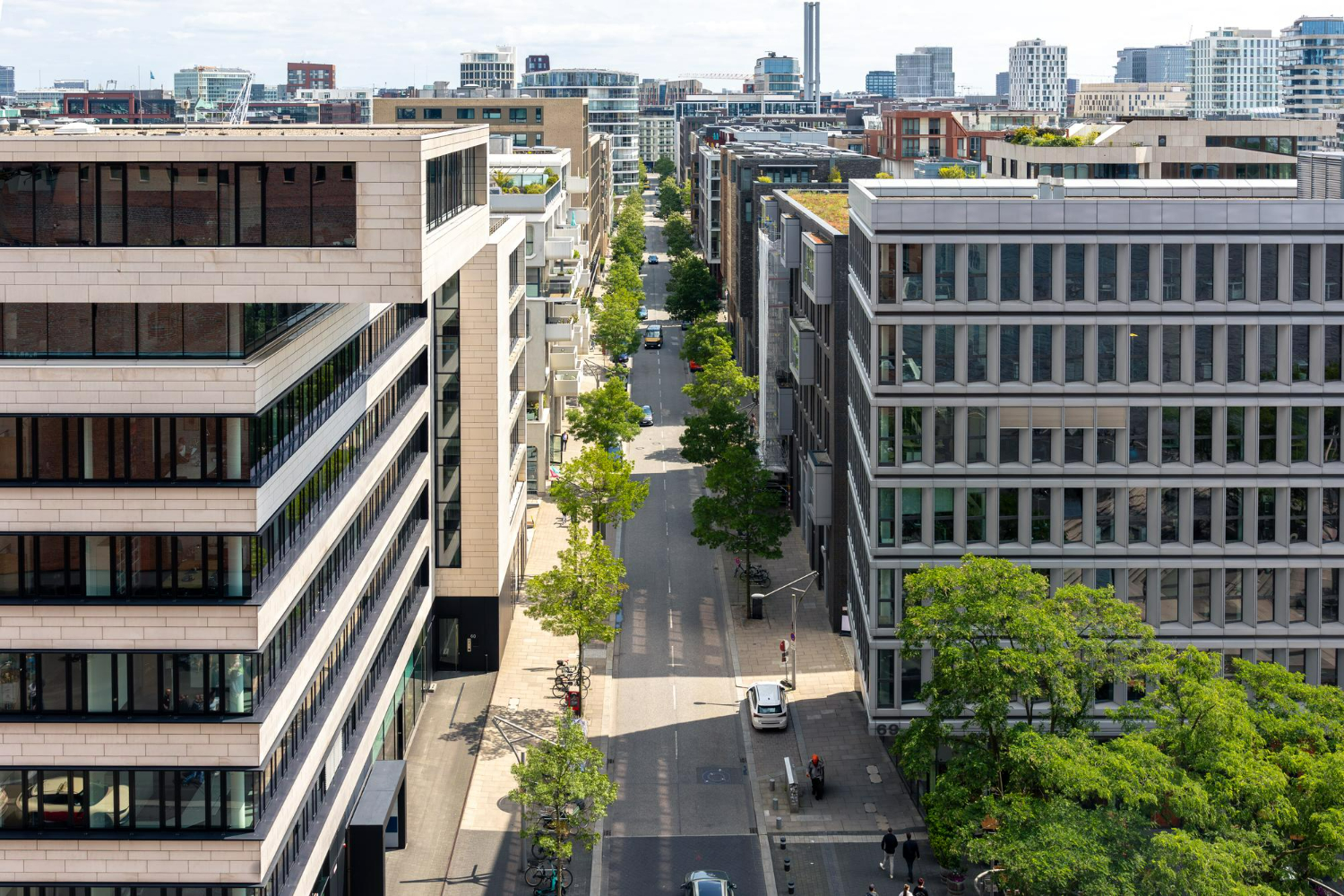
Source: Magnific
Legal and Regulatory Considerations
Before moving forward with a mixed-use conversion, it’s important to understand the legal framework that governs your project. Consulting with a real estate attorney can help you identify potential roadblocks early and avoid costly delays as you move through the process.
Zoning and Land Use
One of the first things you’ll need to evaluate is commercial zoning and land use regulations.
Not all properties are zoned for mixed-use, which means you may need to apply for rezoning, a variance, or a conditional use permit. Each option comes with its own process, timeline, and level of uncertainty, so understanding what’s allowed on your property is critical before making any major investment.
Building Codes and Property Constraints
Older commercial buildings often require significant upgrades to meet current building codes. This can include compliance with ADA requirements, fire and safety standards, and occupancy regulations.
You’ll also want to review any easements, covenants, or deed restrictions that could limit how the property can be modified or used.
Environmental and Approval Requirements
In California, many redevelopment projects must comply with the California Environmental Quality Act (CEQA), which can require environmental review depending on the scope of your project. Past uses of the property may also raise concerns, such as contamination or hazardous materials.
On top of all this, you’ll need to secure permits and planning approvals, which can involve multiple agencies and public review processes.
Building an Adaptive Reuse Legal Strategy
Once you understand the regulatory landscape, the next step is putting together a clear plan, which is best done with the help of a real estate attorney.
One clean plan you can adopt is having an adaptive reuse legal strategy that aligns your project goals with local requirements. This strategy is all about mapping out how your project moves from concept to approval without unnecessary setbacks.
A strong approach involves coordinating approvals, timelines, and compliance requirements from the start. Instead of treating zoning, permits, and environmental reviews as separate steps, you’ll want to align them into one cohesive process. This helps you avoid conflicts, reduce delays, and keep your project moving forward efficiently.
You’ll also need to work closely with city planning departments, which play a major role in approving mixed-use developments. Early communication can make a big difference, especially when it comes to addressing concerns and meeting local development goals.
Common Challenges You’ll Face
As you move forward with your project, you’ll likely run into a few obstacles that can affect your timeline and budget. A real estate attorney can help you prepare for these issues, but knowing what to expect puts you in a stronger position from the start.
Below are common challenges you’ll face:
- Zoning delays or denials. Even well-planned projects can face setbacks during the approval process. Rezoning or variance requests often involve multiple reviews and public hearings, which can slow things down or lead to unexpected outcomes.
- Cost overruns from upgrades. Older buildings don’t always meet current standards, so you may need to invest more than expected in structural improvements, safety features, or accessibility upgrades.
- Financing complexities. Securing funding for adaptive reuse projects can be tricky. Lenders may require additional documentation or impose stricter terms, especially if approvals are still in progress.
- Community or regulatory pushback. Neighbors and local agencies may raise concerns about density, traffic, or overall impact. Addressing these concerns can add time and require adjustments to your original plans.
Why You Should Work With a Real Estate Attorney
With so many moving parts involved, it only makes sense to get the right legal support to ensure that your project moves forward smoothly. Here’s how a real estate attorney can help you.
- Evaluate redevelopment feasibility. Before you invest significant time and money, an attorney can assess whether your project is legally viable based on zoning, land use restrictions, and local regulations.
- Navigate zoning, permits, and approvals. From rezoning applications to conditional use permits, an attorney can help you manage the approval process and communicate effectively with local agencies.
- Identify risks early (title, land use, compliance). Early legal review can uncover issues like title defects, easements, or compliance gaps that could delay or derail your project if left unaddressed.
- Draft and review contracts (partners, contractors, lenders). Whether you’re working with investors, builders, or lenders, having clear and enforceable agreements helps protect your interests and avoid misunderstandings.
- Help prevent delays and legal disputes. By addressing potential problems upfront, a real estate attorney can reduce the likelihood of disputes and keep your project on track.

Source: Magnific
Conclusion
Converting distressed commercial spaces into mixed-use developments can be a smart way to unlock new value, but it also comes with legal and regulatory challenges you can’t afford to overlook. From zoning and land use issues to approvals and compliance, taking the right approach from the start can make all the difference in how successful your project becomes.
Getting help from a reputable real estate attorney gives you the guidance you need to navigate these complexities and move forward with confidence. If you’re planning a redevelopment project, our team at DMAB can help. Contact us today!