

How to Handle a Commercial Landlord Tenant Dispute
Whether you’re a landlord dealing with a tenant who stopped paying rent or a business owner whose landlord is threatening eviction over a technicality, the stakes are high and the clock is usually ticking. Knowing how to handle a commercial landlord-tenant dispute before it escalates can be the difference between resolving it at the negotiation table and spending the next year in litigation.
California’s commercial leasing landscape got significantly more complicated after 2020. Courts were flooded with disputes over rent abatement, force majeure clauses, and who bore the financial burden when businesses were forced to close. Many of those disputes are still working their way through the system. The legal lessons from that period apply directly to how landlords and tenants should approach conflicts today.
One thing you need to understand from the start: commercial tenants in California have far fewer statutory protections than residential tenants. The law largely treats commercial leases as contracts between sophisticated parties. That shifts the strategy entirely. Your rights and remedies live primarily in your lease document, not in a protective statutory framework.
Start With the Lease, Not a Lawyer
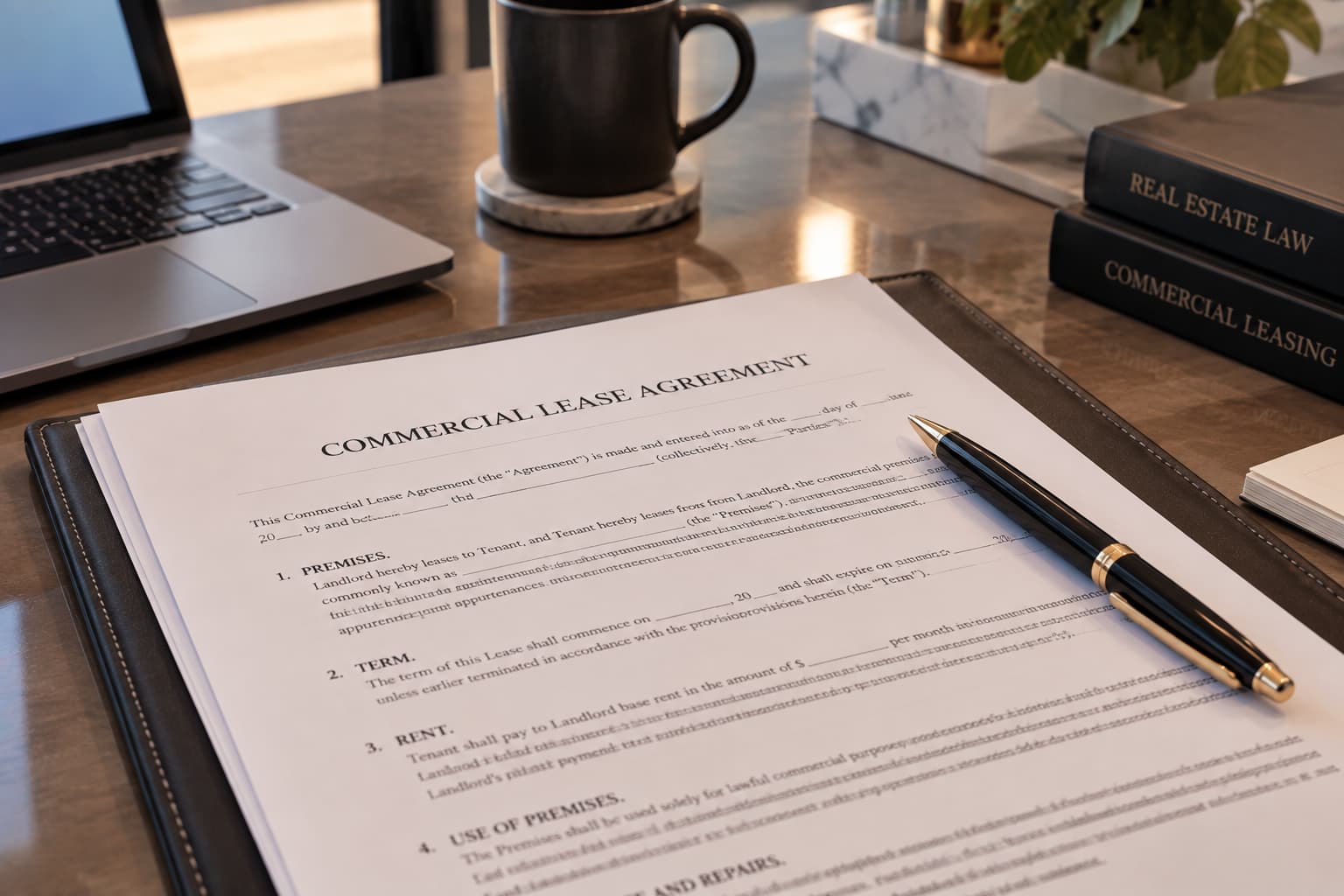
That sounds counterintuitive, but the lease is the governing document in virtually every commercial dispute. Before you do anything else, pull out the full lease, including every amendment, addendum, and exhibit, and read it carefully.
Look specifically for the sections that address the dispute. Nonpayment? Check the notice provisions, cure periods, and default definitions. Maintenance or repair failure? Review which party is responsible for which building systems. Rent abatement or force majeure claims? Those clauses, if they exist at all, define whether either party has any legal footing for reduced rent.
California courts interpret commercial leases strictly. What the lease says is almost always what the court will enforce. If a clause is absent, courts won’t infer one into existence because it would have been fair, which is exactly why commercial tenants who signed leases without negotiating protective provisions during good times found themselves exposed when conditions changed.
Send a Written Demand Before You Escalate
Once you’ve confirmed your position under the lease, the next step is a written demand letter. This is not an optional formality. It creates a record, triggers any contractual notice requirements, and often resolves disputes without litigation.
For landlords, a proper “Notice to Pay or Quit” under California law must comply with specific timing and content requirements before you can file an unlawful detainer action. Getting this wrong procedurally can derail your eviction case entirely. For tenants, a written demand to your landlord documenting a lease breach, such as a failure to maintain the premises, creates evidence that you acted in good faith and gave the other party a chance to cure.
Keep all communications in writing from this point forward. Verbal agreements and email chains become evidence. Treat every message as if it might end up in front of a judge, because it might.

Understand California’s Unlawful Detainer Process for Commercial Properties
If a demand letter doesn’t resolve the dispute, landlords have a specific legal tool available: the unlawful detainer action. This is California’s expedited eviction proceeding, and it moves faster than standard civil litigation, often reaching a hearing within three to four weeks of filing.
But “faster” doesn’t mean “simple.” Commercial unlawful detainer cases still require precise compliance with notice requirements, proper pleading, and a solid evidentiary foundation. Tenants who receive an unlawful detainer summons have very limited time to respond, typically five days, and limited grounds to contest without a strong legal defense.
Tenants facing eviction should not wait. Possible defenses include improper notice, landlord breach of the lease, waiver of default by accepting partial rent, and retaliatory eviction in some circumstances. California’s civil litigation process involves procedural rules that can work for or against you depending on how quickly you act. Missing deadlines in unlawful detainer proceedings typically results in a default judgment against you.
Explore Alternative Dispute Resolution Before Full Litigation
Most well-drafted commercial leases include a clause requiring mediation or arbitration before the parties can file a lawsuit. Check yours. Even if no such clause exists, attempting alternative dispute resolution is often worth it strategically.
Mediation keeps the process private, which matters in commercial real estate where your relationships with other tenants, lenders, or investors may be affected by a public court filing. It’s also faster and less expensive than trial. DMAB regularly represents clients through mediation and arbitration proceedings in commercial lease disputes, and many of those cases resolve on terms that both parties can live with.
Arbitration is more formal than mediation and results in a binding decision. If your lease mandates arbitration, you’re likely bound by that process rather than a jury trial. Know what your lease requires before you file anything.
When Litigation Is the Right Move
Sometimes a dispute can’t be resolved short of court. The landlord refuses to negotiate. The tenant has vacated but disputes the amount owed on the lease. A party is asserting claims, like fraud, tortious interference, or breach of fiduciary duty, that go beyond what the lease itself addresses.
In those situations, civil litigation becomes the appropriate forum. California Superior Court handles commercial landlord-tenant cases that exceed the unlawful detainer scope, including claims for significant unpaid rent, lease termination damages, property damage, and other contract claims. The real estate disputes litigation process in California can be lengthy, but when the amounts at stake are significant, it’s the right tool.
Post-pandemic litigation in California courts surfaced several recurring legal battlegrounds worth understanding:
- Force majeure clauses: Many tenants claimed COVID-19 business closures triggered force majeure provisions, excusing rent obligations. California courts were largely skeptical of broad force majeure defenses, generally finding that government-mandated closures did not rise to the level required by most standard commercial lease language. The California Courts self-help resource outlines how civil claims are structured, but the substantive outcomes in these cases depended heavily on specific lease language.
- Frustration of purpose: A separate legal doctrine, frustration of purpose, was also raised frequently. Courts examined whether the tenant’s principal purpose for the lease was completely frustrated, which is a high bar to clear.
- Rent abatement: Some leases contain explicit abatement provisions tied to casualty events. Most standard commercial leases do not extend abatement rights to economic disruption or government restrictions, a gap that caught many tenants unprepared.
The California Department of Consumer Affairs provides baseline guidance on lease-related rights, and the California Courts’ official self-help center offers procedural orientation, but neither source replaces legal counsel when real money is at stake.
How Legal Strategy Differs for Landlords vs. Tenants
Landlords generally hold more contractual leverage in California commercial leases, particularly in triple-net and modified gross lease structures that pass operating costs to tenants. Your primary tools are the notice and cure process, unlawful detainer, and lease termination with a claim for remaining rent owed under the acceleration clause, if your lease has one.
Tenants need to pivot their strategy toward the lease’s specific language. If you’re asserting a repair-and-deduct right, habitability excuse, or rent withholding, you need to confirm those rights are actually in the lease or grounded in statute, because in California’s commercial context, they often aren’t. Your best leverage is frequently the cost and disruption that litigation imposes on the landlord, combined with a well-documented pattern of their non-performance.
Both sides benefit from early legal counsel. Decisions made in the first few days of a commercial dispute, specifically what you communicate, whether you accept partial payment, and what notices you send, shape the entire trajectory of the case.
The Bottom Line on Resolving a Commercial Lease Dispute
The clients who come out of commercial landlord-tenant disputes in the best position are almost always the ones who understood their lease, acted quickly, communicated in writing, and got legal advice before making moves they couldn’t undo. The ones who struggle typically waited too long, made verbal agreements they couldn’t prove, or tried to handle a six-figure legal problem without expert guidance.
DMAB’s real estate law practice has served California landlords, tenants, investors, and developers for more than two decades. Scott Alan Miller, who chairs the firm’s Real Estate Litigation Practice Group, brings recognized courtroom experience to disputes of every size. Our team has been recognized by U.S. News & World Report as a Best Law Firm every year from 2019 through 2024. If you’re in a commercial lease dispute right now, contact us for a free initial consultation. You can also read our client reviews on Google to see how we’ve helped other business owners and property investors protect what they’ve built.